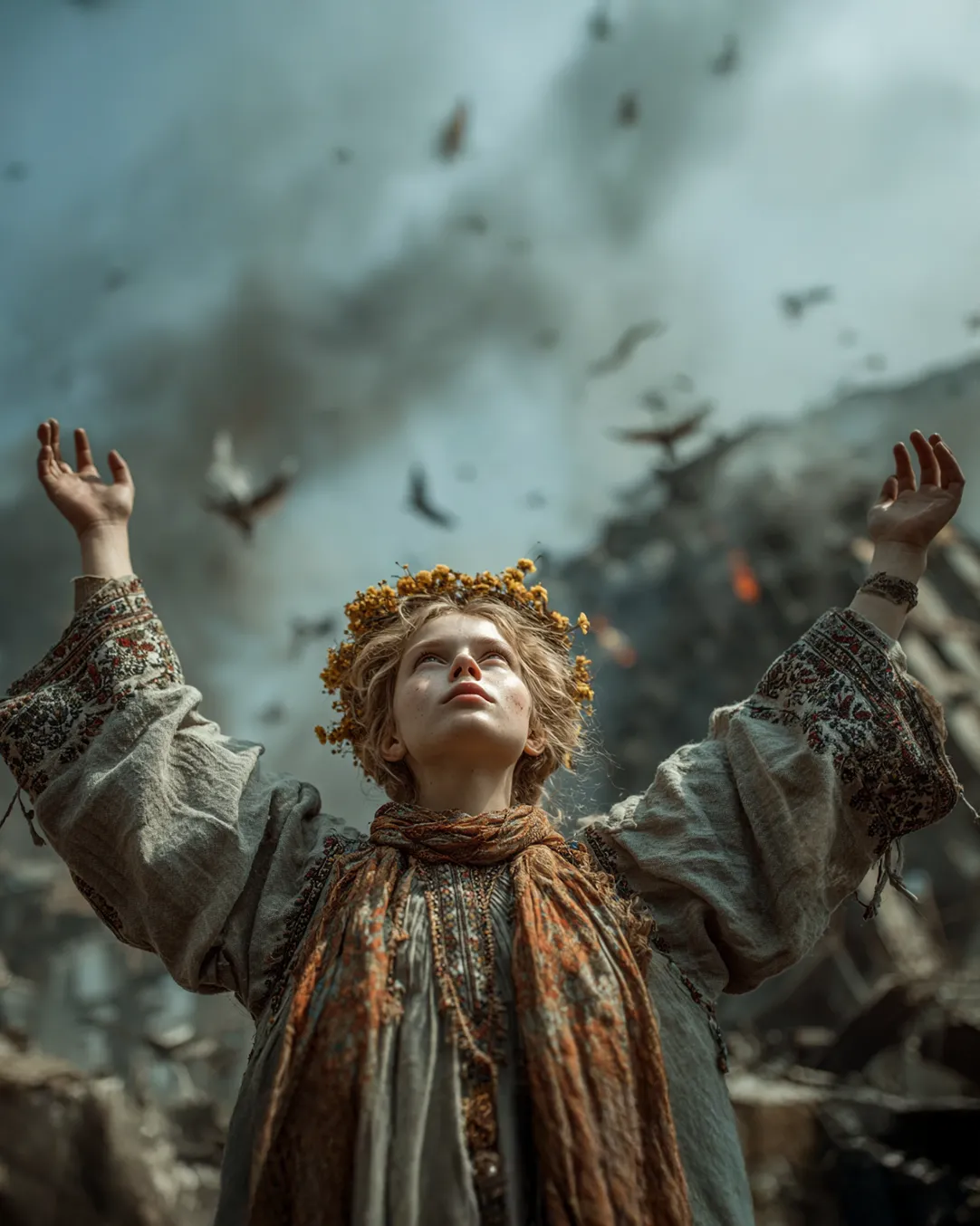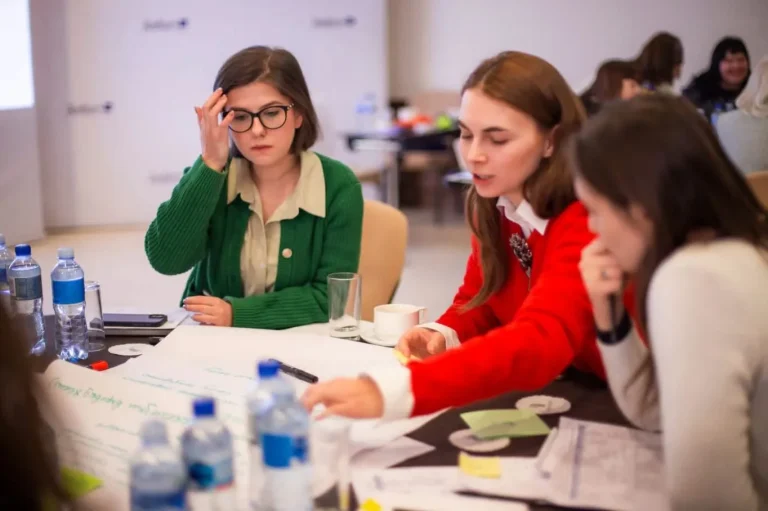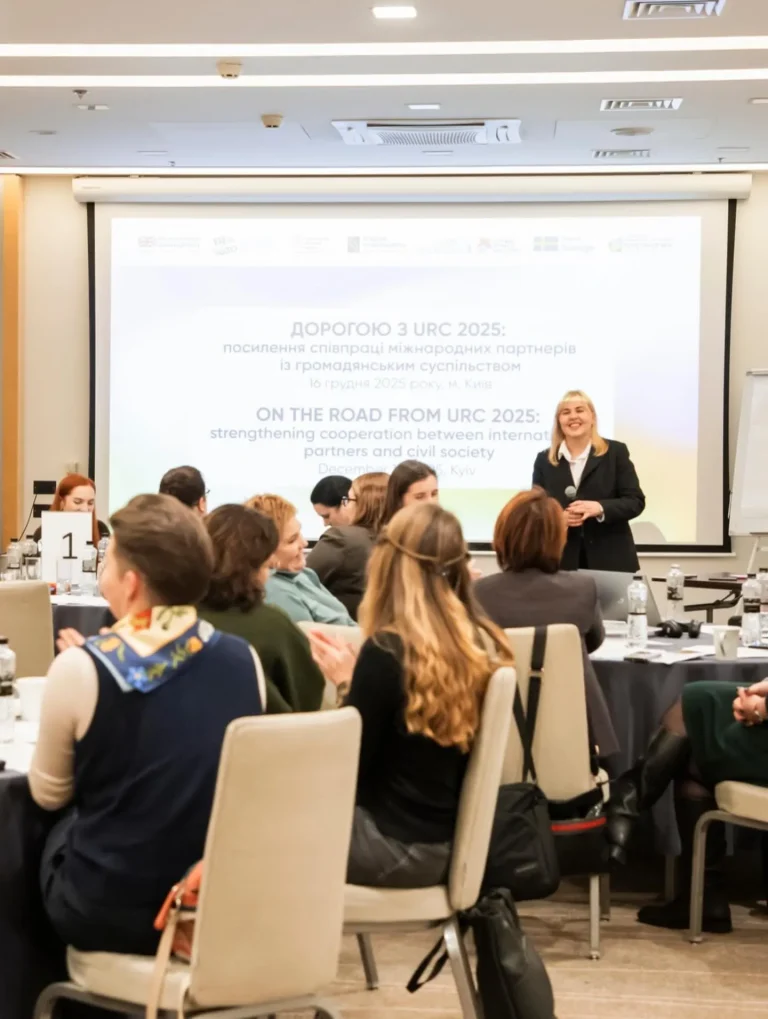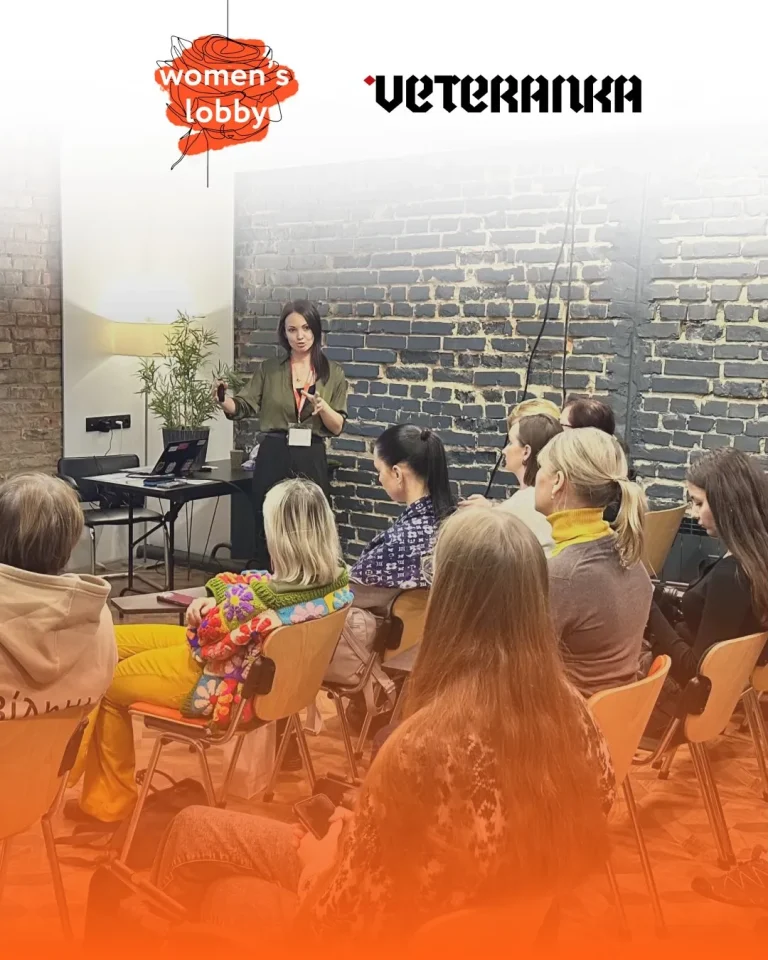
Four years after the beginning of russia’s full-scale invasion, Ukrainian women remain at the heart of the country’s resistance, resilience, and democratic future. 💙💛
They are defending the country on the front lines: more than 60,000 women serve in the Armed Forces, and around 10,000 of them are in combat positions. They sustain communities through volunteer networks, humanitarian coordination, local leadership, economic activity, and unpaid care work.
They hold families together while rebuilding institutions under constant threat. Ukrainian women are not passive observers of war. They are shaping the course of resistance, recovery, and reform.
Yet their contribution continues to unfold in the shadow of structural inequality. Women face informal barriers in military careers, unequal access to leadership positions, and persistent gender stereotypes that question their competence and authority. The gender pay gap remains at 18.6%, reflecting systemic economic injustice. Women occupy less than a quarter of key decision-making positions, limiting their influence over policies that directly affect their lives and the future of the country.
The war has also exposed and intensified gender-based violence. As of early May 2024, 293 cases of conflict-related sexual violence were officially recorded in occupied and de-occupied territories of Ukraine. The real number is undoubtedly much higher, as access to occupied areas remains restricted and many survivors are unable or afraid to report these crimes. Hundreds of women remain in captivity, and many survivors continue to face stigma, insecurity, and insufficient access to justice.
War has amplified both women’s visibility and the inequalities embedded in our systems.
History shows that after crises, women’s contributions are often minimized and traditional gender hierarchies are restored. This must not be repeated. Recovery must be feminist. Peace must be inclusive.
As progressive forces committed to social democracy, equality, and social justice, we affirm that gender equality is not a secondary issue to be postponed until after the war. It is a foundation for sustainable peace, democratic resilience, and economic recovery.
We call on all decision-makers, institutions, and political actors shaping recovery and peace processes to place gender equality at the center of every reform and reconstruction effort. We demand systematic gender mainstreaming across recovery frameworks, ensuring women’s equal access to resources, leadership, security, decent work, and economic opportunities. We insist on accountability for conflict-related sexual violence, full implementation of international commitments on Women, Peace and Security, equal representation in decision-making, removal of discriminatory barriers, and concrete action to close the gender pay gap and protect labor rights.
At a time when reactionary and authoritarian forces seek to roll back women’s rights, supporting women in Ukraine means defending democracy itself and choosing feminism over misogyny, equality over discrimination, and solidarity over exclusion.
The future of Ukraine will be shaped by the women who defend it today. Ensuring their full rights, representation, and protection is not optional, it is a democratic necessity.